
Santa Fe RIver
Santa Fe RIver
Santa Fe RIver
For thousands of years, the banks of the Santa Fe River have provided an oasis cutting thru the vast high desert plain. The Tewa people settled along the river, naming it O'Ga P'Ogeh (White Shell Water Place) and drawing irrigation for corn, beans, and squash crops. In 1610, Spaniards led by Don Pedro de Peralta sought out the river to establish the town of Santa Fe adjacent to its banks. The town’s survival depended upon the river’s water supply.
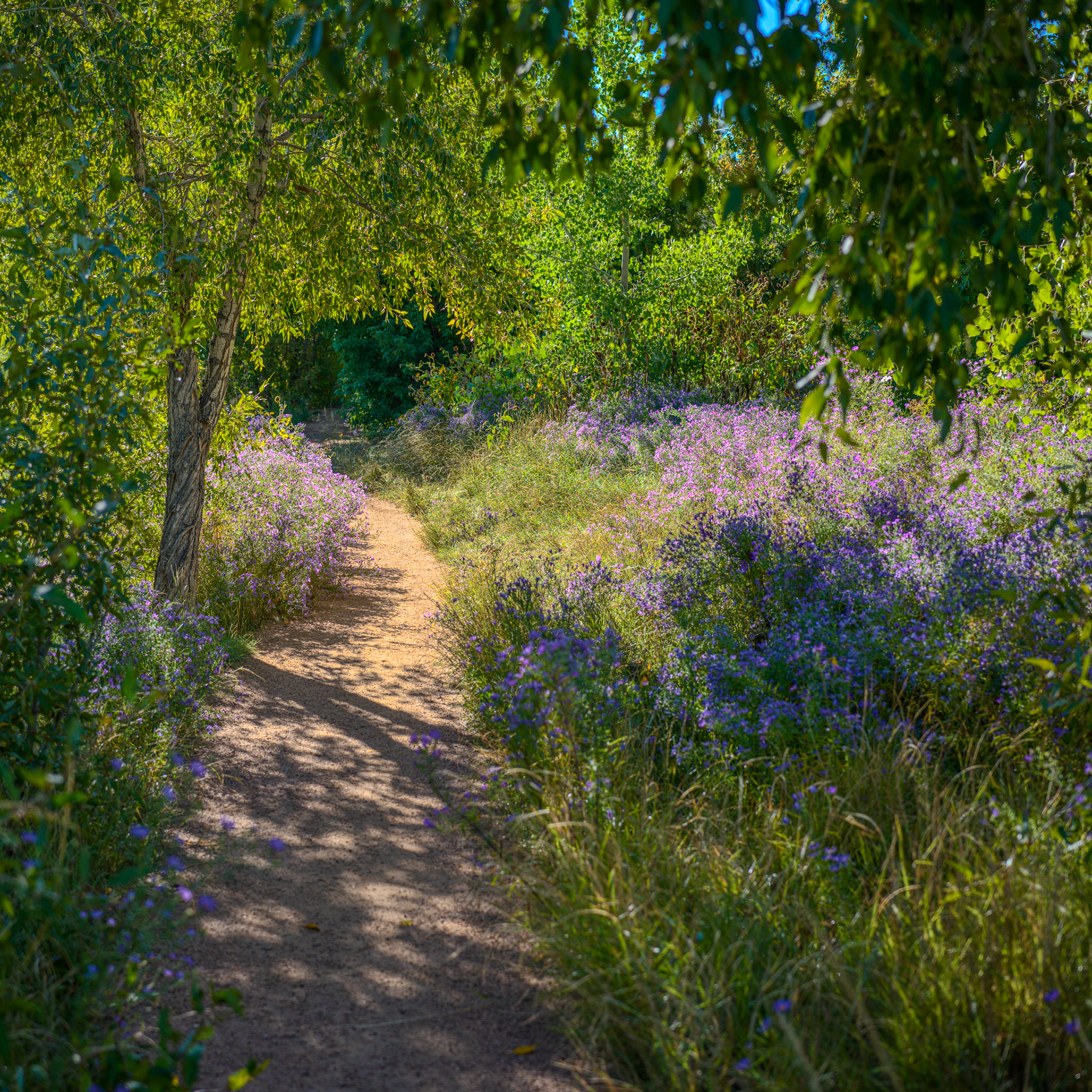
A fall morning walk along the narrow, dusty Santa Fe riverbank path just south of downtown presents cottonwood canopies accented by clusters of bright yellow sunflowers among rich purple asters. The cottonwoods provide the foundation of this riparian bosque (Spanish for riverside forest) ecosystem. They provide critical habitat for these native wildflowers, as well as native birds, mammals, insects, and crustaceans.
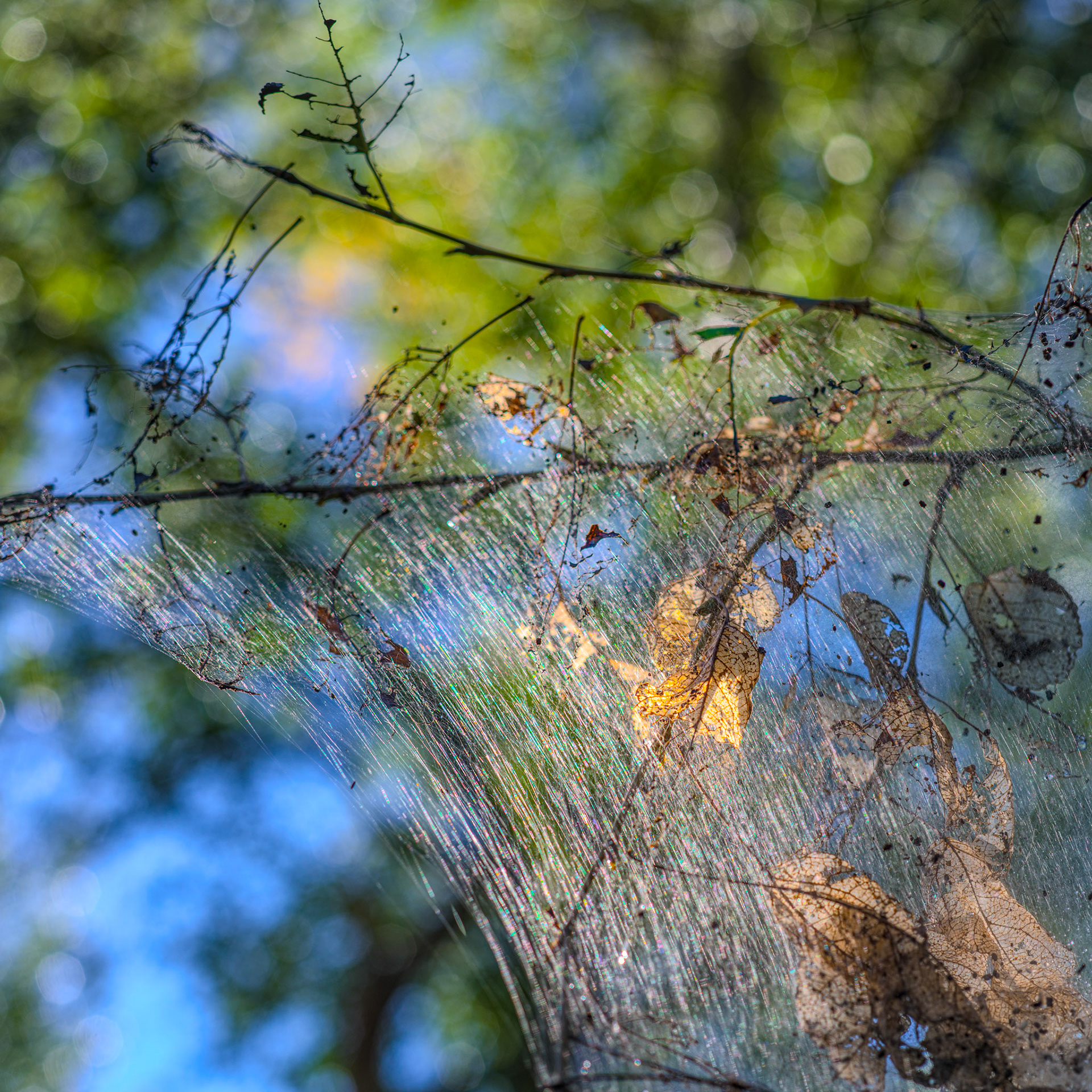
In this season, the cottonwoods drop leaves to replenish soil nutrients. In summer days often alternating between bone dry air and brief monsoon rains, their deep roots provide the soil both moisture and stability. Their canopies shade the midday Southwest sun. Their soft wood and blossoms support bee hives - much to the wildflowers’ benefit. Their leaves feed nearly 200 caterpillar species, which in turn feed native birds. Their branches provide ideal geometry and texture for native spiders to affix webs, and creviced bark for awaiting prey and staying cool.
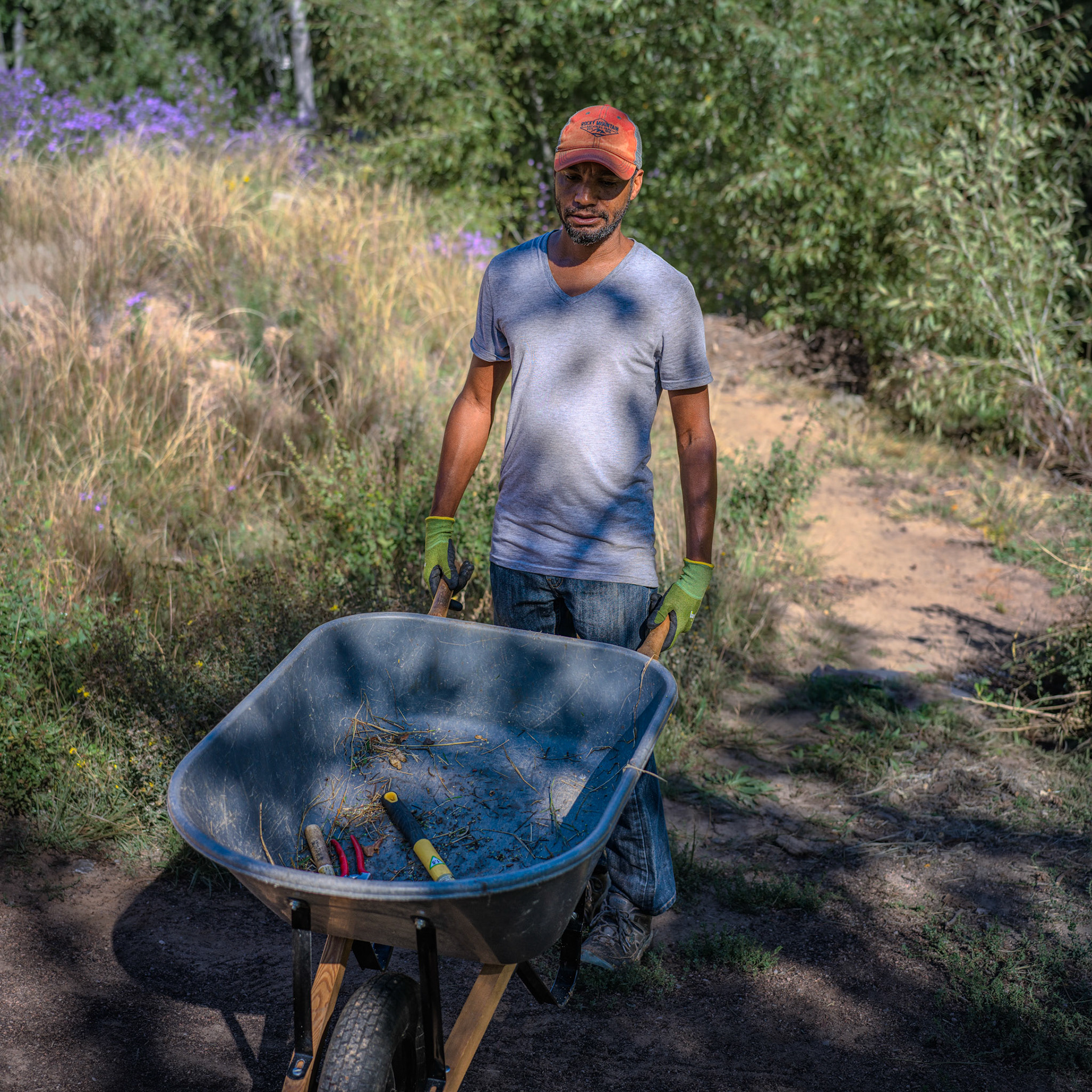
Yet, for decades, the cottonwoods along this river had been suppressed by invasive Siberian elm trees, spreading thick surface roots over the cottonwood saplings and eroding soil along the river’s edge. Through the Friends of Santa Fe River, volunteers have spent the past decade clearing those elm, as well as weeds and trash along the river bed.
That clearing has made way for rejuvenation of the cottonwoods and the ecosystem they support. The town has only authorized the project for this mile of riverbed near the art galleries of Canyon Road but more may come once the results are widely appreciated. In the proud words of one volunteer I met that morning, “what you see here now is how the river looked 1,000 years ago.”
I am fortunate to enjoy this delicate, colorful, and balanced riverside environment that our predecessors well appreciated, knew and relied upon – and our contemporaries toil to revive. I look forward to varying seasons walking, discovering, and perhaps also contributing to the environments of this uniquely diverse place I am learning to call home. It is clear that much more awaits that journey, thanks in large part to the cottonwood of Santa Fe.